




 Skottland
Rare Malts was a series of cask strength single malt bottlings released by United Distillers and later Diageo, drawing on old stocks from its distilleries, including several that have since closed.
Mer om Rare Malts ↓All whisky från Rare Malts
4 whiskysorter
| Bild | Namn | Typ | Destilleri | Ålder | Årgång | Fat | Alkohol | Storlek | Pris | Betyg |
|---|---|---|---|---|---|---|---|---|---|---|
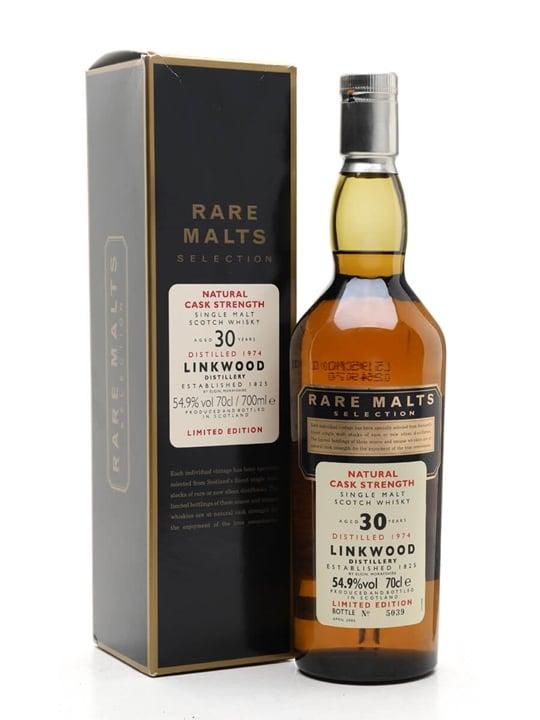
|
Rare Malts
30 Year Old 1974 -
WG25994
|
Single Malt | Linkwood | 30 år | 1974 | - | 54,90% | 700ml | från ~16 050 kr | - |
|
|
Rare Malts
22 Year Old 1973 -
WG31503
|
Single Malt | Craigellachie | 22 år | - | - | 60,20% | 700ml | - | - |
|
|
Rare Malts
23 Year Old 1978 -
WG31301
|
Single Malt | Caol Ila | 23 år | - | - | 61,70% | 700ml | - | - |
|
|
Rare Malts
Royal 24 Year Old 1972 -
WG26197
|
Single Malt | Royal Lochnagar | 24 år | - | - | 55,70% | 750ml | - | - |
Om Rare Malts
Rare Malts was a series of cask strength single malt bottlings released by United Distillers and later Diageo, drawing on old stocks from its distilleries, including several that have since closed.
Inte översatt än: det här är den engelska texten.
- Land
- Scotland
- Grundat
- 1995
- Ägare
- Diageo
- Status
- Closed
The Rare Malts series, often labelled Rare Malts Selection, was launched by United Distillers in the mid 1990s and continued under Diageo until the mid 2000s. It offered official bottlings from distilleries in the company's portfolio that were rarely, if ever, bottled as single malts, alongside better-known names.
The whiskies were bottled at natural cask strength and carried both an age and a distillation year, usually from long-matured stock. Several came from distilleries that had already closed, which is one reason the series is now sought after by collectors.
In our catalogue you will find bottlings from Linkwood, Royal Lochnagar, Caol Ila and Craigellachie, such as the Royal 24 Year Old 1972 and the 30 Year Old 1974. As the series has long ended, these bottles are found mainly at auction and through specialist shops, and prices reflect their age and scarcity.
